The Rise of Smart Rings: Discreet Gadgets for Sleep, Stress, and Heart Monitoring in Daily Life
Introduction
Imagine a sleek ring on your finger that not only complements your style but also quietly keeps tabs on your health. Smart rings have emerged as the next big trend in wearable technology, offering a discreet way to monitor sleep patterns, stress levels, and heart health in daily life. Unlike bulky smartwatches that demand attention, these unassuming rings blend in with your everyday jewelry – yet inside, they’re packed with sensors. Over the past year, smart rings surged in popularity, with global shipments jumping about 49% in 2025 (far outpacing the modest growth of smartwatches). Tech giants are entering the arena and new models are launching at events like CES, signaling that smart rings are no longer niche gadgets but moving mainstream[2][3].
What’s driving the rise of smart rings now? For one, they focus on comfort and consistency. Many people find it easy to wear a ring 24/7 – even to bed – whereas sleeping with a watch can be cumbersome. The finger is actually an ideal spot for sensors: it has a rich blood supply just beneath thin skin, which can enable surprisingly accurate readings for things like heart rate and body temperature[4]. Early adopters like the Oura Ring proved that a ring could track sleep and recovery well, and now competitors (and even Samsung with its new Galaxy Ring) are pushing the concept further. Modern smart rings offer many of the same health insights as fitness watches – sleep quality, activity levels, heart rate trends, even hints at your stress – all without a flashy screen or any “look at me” vibe. Their design is inconspicuous, battery life often stretches close to a week, and the data they collect has become more robust and actionable.
However, smart rings aren’t trying to replace full-fledged smartwatches or medical devices. They have clear limitations that we’ll dive into: no displays, no on-device GPS or phone notifications, and they’re not meant to diagnose serious conditions. Think of them more as wellness gadgets and habit-builders. For the right users, a smart ring can provide gentle nudges – telling you when you might need more sleep, when your body is under stress, or when your resting heart rate is off your normal baseline – all in a form factor you’ll actually keep wearing. But are these tiny wearables truly worth the cost and hype in 2025–2026? In this article, we’ll explore what smart rings do best, where they fall short, and who will benefit most from this new wave of ring-shaped health tech.
Quick Takeaways
- Smart rings have gone mainstream (2025–2026): Shipments are up ~49% in 2025, with big brands like Samsung jumping in. These rings pack health sensors into a discreet finger-worn form, offering many of the same insights as a smartwatch without the obvious gadget look.
- Designed for 24/7 wear: Rings are comfortable enough to wear all day and night – even during sleep – which means more consistent tracking. A week-long battery life is common, so you don’t need to charge daily, reducing the chances of missing important data[6].
- Great for sleep tracking: Smart rings shine in monitoring sleep. They can measure your heart rate, motion, and temperature to estimate sleep stages and quality. One study found rings detected sleep and wake with around 93–96% sensitivity. They’re comfortable to wear to bed, unlike some bulky watches.
- Helpful for stress & recovery: Rings track metrics like heart rate variability (HRV), resting heart rate, and skin temperature to gauge your body’s stress and readiness. You’ll get daily “readiness” or recovery scores that can signal if you need a rest day – useful, but remember these are guides, not gospel.
- Basic heart-health insights: Throughout the day, a ring can log your resting heart rate and flag unusual changes. Newer models offer atrial fibrillation risk analysis or irregular rhythm notifications (using PPG sensors), but disclaimer: no smart ring is a medical device or can detect heart attacks. They’re wellness monitors only.
- Accuracy depends on conditions: Smart rings can be very accurate for heart rate and more, thanks to the finger’s strong pulse signal. But accuracy can falter if the ring isn’t snug or if your hands are cold (blood flow reduces). Darker skin tones are less of an issue for rings than wrist devices (the inner finger has less melanin), but results can still vary person to person.
- Comfort and durability: Most smart rings are lightweight (2–8 grams) and made of durable materials like titanium or ceramic. Sizing is important – companies send a kit to ensure a snug fit. They’re water-resistant for washing and workouts. You might forget you’re wearing one – in a good way. Just be cautious with heavy lifting or sports that could scratch a ring.
- Limited features vs. smartwatches: What rings do not do: display texts or calls, track GPS routes, or have rich workout features. They sacrifice breadth of features for simplicity. A $300 ring will do a lot less than a $50 fitness band. Think of rings as specialized health monitors rather than all-purpose smart gadgets.
- Privacy considerations: Rings collect sensitive data (heart rate, sleep stages, menstrual cycle info, etc.) that syncs to company apps/cloud. Reputable brands say they protect your data (Ōura, for example, promises never to sell personal data and even added a feature to let users delete data). Still, it’s wise to review what info you’re sharing and with whom.
What Smart Rings Are (and what they are NOT)
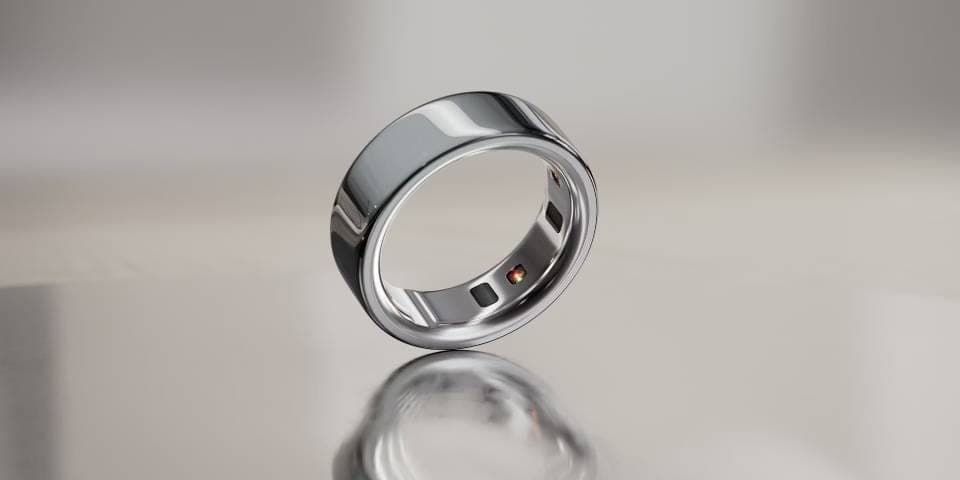
Smart rings are finger-worn health trackers. On the outside, they look like ordinary rings – stylish metal or ceramic bands – but on the inside they contain miniature sensors similar to those in a fitness watch. A typical smart ring is equipped with an accelerometer (to detect motion and activity), optical heart rate sensors (using PPG LEDs), and skin temperature sensors. All of this is squeezed into a device weighing just a few grams that you wear on a finger. The result is a gadget that can track your movements, heart rate, and sleep without anyone realizing you’re wearing a health monitor. That discretion is important if you want to keep an eye on your health without looking like you care. Sure, they’re still gadgets – they’re noticeably thicker than a plain wedding band – but not by much. Plus, it’s an alternative for people who don’t like watches; one statistic says 68% of Americans don’t wear a watch[5], so rings offer a health tracker some would actually use.
Despite the tiny size, smart rings can capture surprisingly high-quality readings. The finger’s anatomy gives them an edge: arteries in your finger are close to the surface and the skin is thinner than at the wrist, which helps the ring’s PPG sensor get a strong signal. There’s consistent pressure between the ring and your skin, and no large muscles in the finger to cause interference[4]. In practical terms, this means a well-designed ring can measure your heart rate and even blood oxygen trends very reliably when you’re at rest. A recent study deemed the Oura Ring more accurate in measuring wake vs. sleep and different sleep stages than Fitbit and Apple Watch, for example[7]. Preliminary evidence also suggests rings might even fare better on darker skin than wrist wearables, since the inner finger (palm side) has less melanin to interfere. In short, rings can deliver legit health data – but only when worn properly (snug on the finger, sensor aligned to the palm side).
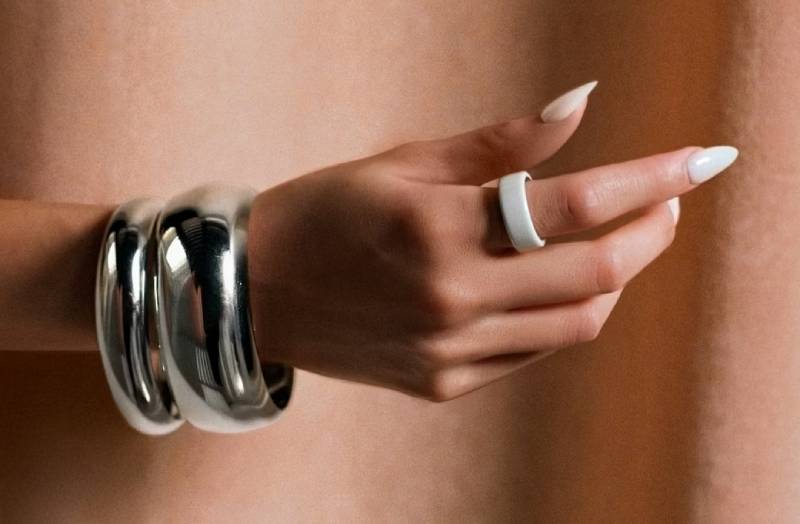
That said, smart rings are not full-fledged smartwatches, and they’re not trying to be. There is no display on a ring – no touchscreen, no notification buzz, no voice assistant. You can’t glance at your finger to see your step count or read a text message. All the data the ring collects syncs to an app on your phone, where you can view your metrics. Rings also cannot do many things a larger wearable can. They won’t track complex workouts like cycling or weightlifting with high accuracy (no GPS, no altimeter, limited motion sensing). You won’t be making NFC payments or listening to music through a ring either. In short, smart rings are purpose-built for passive health monitoring – tracking your sleep, vitals, and daily activity quietly in the background – not for real-time interactive features. If you’re expecting a tiny smartphone on your finger, you’ll be disappointed. But if you want a low-profile wellness tracker, that’s exactly what smart rings are designed to be.
Why Smart Rings Are Rising in 2025–2026 (what changed recently)
Less than a decade ago, smart rings were a curiosity – early models existed, but few people had heard of them. So why are they booming now, in 2025–2026? A few key factors have converged to spark this rapid growth:
- Mainstream Awareness & Big Brands: The entry of major tech players has put smart rings on the map. Samsung’s launch of the Galaxy Ring in late 2024 (with global expansion in 2025) instantly raised the category’s profile, proving that smart rings aren’t just startup gadgets. Tech analysts reported a 49% surge in smart ring shipments for 2025, far outpacing the growth of the mature smartwatch market[1]. While smart rings still only ship a few million units annually compared to hundreds of millions of smartwatches, that gap is closing fast[9]. Consumers are increasingly aware that these products exist – helped by advertising and retail presence from companies like Samsung and by popular models like the Oura Ring showing up on celebrities and influencers.
- Post-Pandemic Health Focus: In the wake of the pandemic, people have become more health-conscious and interested in continuous health monitoring. Tracking things like sleep quality, stress, and heart rate variability moved from a niche interest to a mainstream wellness trend. Smart rings hit the market at the right time to capitalize on this. They offer an easy way to keep tabs on your health metrics around the clock without adding hassle or conspicuous tech to your life. For many, the idea of a “personal health dashboard” became appealing, and a ring can provide that in a seamless way. (Ōura, for instance, even introduced a “Symptom Radar” feature that uses temperature and heart data to act as an early warning system for illness.)
- Improved Tech & Features: Smart ring technology has matured significantly in the last couple of years. The latest rings pack more sensors and smarter algorithms while managing to extend battery life. For example, the second-generation RingConn ring (launched at CES 2025) is thinner and lighter than the prior model, yet boasts a 10–12 day battery life and even introduced on-board sleep apnea monitoring (with internal tests claiming ~90% detection accuracy)[10]. That kind of feature – once unimaginable in a tiny ring – shows how far the tech has come. Similarly, Ultrahuman’s Ring Air has broken new ground by integrating with continuous glucose monitors and offering optional plugins for things like advanced fitness metrics and even atrial fibrillation risk analysis. In short, modern smart rings can do more than ever. Many now measure blood oxygen at night, have multiple temperature sensors, and use AI to provide personalized guidance. And they do it all while looking more refined; even materials have improved (e.g. new ceramic ring options that are both durable and decorative).
- User Adherence – People Actually Wear Them: A fancy health monitor is worthless if you don’t wear it consistently. Smart rings have an advantage here: people are more likely to leave them on. The comfort and low-profile design mean adherence rates can be better than wrist devices. Research has noted that wearable usage tends to drop off over time, but rings are bridging that gap. (One systematic review found about 80% of people were still wearing their ring after 3 months, versus only ~43% after a year[11] – a decline, but these numbers are on par with or better than many wrist wearables.) The reasons for discontinuation included comfort issues and battery hassles, both of which rings minimize. The key is that rings are easy to incorporate into daily life – there’s no need to remember to put on a watch or charge it every night. That convenience is turning more first-time users into long-term users, driving word-of-mouth and wider adoption.
- No Subscriptions (Some Options): Another recent shift is the emergence of smart rings that don’t require a monthly subscription. When Ōura introduced a subscription model for its ring’s advanced insights a few years ago, it drew some criticism. In 2025, buyers have choices: platforms like Ultrahuman and RingConn tout no monthly fees, which makes smart rings a more appealing value proposition for many. You pay for the hardware once and get all the core features. (Ōura still charges ~$6 per month for full access, but the competitive pressure is on.) The removal of ongoing fees in some products may be lowering the barrier to entry and convincing more people to give smart rings a try.
In sum, smart rings are rising now because the technology is better, the use case (continuous, unobtrusive health tracking) is more relevant than ever, and companies both big and small are pushing them into the spotlight. What was once a quirky gadget has matured into a legitimate product category with a variety of models for different needs. 2025–2026 feels like an inflection point for smart rings – they’ve moved beyond the early adopters and are well on their way to mainstream acceptance.
Sleep Tracking: What Rings Do Well, What They Miss, and How to Use the Data
Sleep tracking is arguably the flagship feature of smart rings. In fact, the success of the Ōura Ring was built largely on its ability to deliver insightful sleep analysis in a ring form. So what do rings do well in this department?
What rings do well: First, they are extremely comfortable to wear to bed. A lot of people who own smartwatches end up charging them overnight (and thus miss sleep data) or just find them too awkward for sleep. Rings avoid this problem – they’re light and unobtrusive, so you hardly notice them while asleep. This means you’re more likely to actually capture your full night’s sleep data consistently. And consistency is key for identifying patterns (like how late-night Netflix binges or that 8pm coffee affect your sleep).

The rings’ sensors also work effectively at night because you’re mostly still. While you sleep, a smart ring continuously measures your heart rate (and in some cases blood oxygen), and tracks your motion through the accelerometer to determine when you’re asleep and when you’re tossing and turning. Many rings also monitor your heart rate variability (HRV) and skin temperature overnight. Using all these signals, the ring’s algorithms estimate your time in various sleep stages – typically light, deep, and REM sleep – and your overall sleep quality. How accurate is this? Studies have shown that the top smart rings, especially the Oura Ring, often outperform wrist-based trackers like Fitbit or Apple Watch in sleep stage estimation and wake detection when compared to polysomnography. For example, a key 2024 validation study (still the benchmark in 2026) found Oura had the highest accuracy for distinguishing sleep stages and wake periods among consumer devices tested. In plain terms, rings are very good at knowing “when” you slept and providing a reliable ballpark breakdown of your night.
Smart rings also shine in giving you actionable insights from that sleep data. The companion apps don’t just dump raw numbers on you; they typically provide a Sleep Score or similar, summarizing how well you slept on a 0–100 scale, and often they’ll highlight factors that affected your sleep. For example, the ring might note that your heart rate was elevated for a long time last night (perhaps due to a late workout or alcohol), which shortened your deep sleep. Or it might congratulate you for a consistent bedtime that helped you get solid REM sleep. Over time, you can use these insights to tweak your habits – maybe you learn that you sleep much better when you start winding down by 10pm, or that big meals too late make your sleep restless. Some platforms even offer bedtime guidance, suggesting optimal sleep and wake times based on your patterns. In short, rings do a great job not only of collecting the data, but also translating it into plain-language feedback and trends that you can act on to improve your rest.
What they miss: No consumer sleep tracker, rings included, is as accurate as a full medical sleep lab (polysomnography). Rings infer sleep stages from movement and heart patterns – they don’t measure brain waves. This means the breakdown of light vs. REM vs. deep sleep is an estimate. It’s quite good for general purposes, but you shouldn’t obsess over, say, getting “15 minutes less REM” on a given night. There’s normal night-to-night variability that wearables can overemphasize. Also, rings can sometimes misidentify periods of quiet wakefulness as light sleep, or vice versa. If you lie still in bed awake, the ring might think you’re asleep. So the total sleep time could be a bit off if you have insomnia or spend long stretches awake but motionless.
Moreover, rings are not diagnostic devices. They can’t definitively tell if you have a sleep disorder like insomnia or sleep apnea (though some newer rings try to flag patterns that might indicate risk). If your ring tells you something’s off – like consistently low oxygen levels or extremely restless sleep – consider it a prompt to talk to a doctor, not a confirmation of a condition. For instance, one ring claims to detect possible sleep apnea events[10], but that should be treated as a screening insight at best, not a medical diagnosis.
How to use the data: The best approach is to focus on long-term trends and personal patterns, rather than fixating on a single night’s “score.” Smart rings will often provide weekly or monthly summaries that show your average sleep duration, consistency, and efficiency. These are useful for seeing if, for instance, you’re trending toward better sleep this month than last. If the ring provides a readiness or recovery score (more on that in the next section), that’s essentially telling you how the quality of your sleep (and other factors) is affecting your body’s preparedness for the day. Use that as a gentle guide: a low readiness score after a poor night’s sleep is a sign to take it easy if you can, whereas a high score means you’re well-rested and can maybe push harder in exercise. Some users report that just having the ring makes them more mindful of their sleep hygiene – it’s like having an accountability partner. The key is to treat the data as information to help you improve habits (earlier bedtimes, less late caffeine, etc.), not as something to stress over. If something concerning shows up (like consistently very poor sleep or big changes in your vital signs), use it as a conversation starter with a healthcare professional.
Bottom line: Smart rings are excellent tools for tracking and improving sleep, provided you use the data wisely. They’ll reliably log when and how long you slept, and give you a good sense of sleep quality. Use that information to experiment with changes (earlier bedtime, less screen time at night, etc.) and see the impact on your scores. Just don’t get too hung up on achieving “perfect” sleep numbers – remember, the goal is better real-world rest and recovery, not chasing a score. And if your ring indicates something might be wrong (say it flags unusually low oxygen or a high resting heart rate at night), consider following up with a medical check – but don’t self-diagnose purely based on ring data.
Stress & Recovery: HRV, skin temperature, readiness scores—what’s meaningful vs noise
Modern smart rings don’t just track your sleep and steps; they also aim to quantify your stress levels and recovery state. Terms like HRV (heart rate variability), “readiness score,” “recovery index,” or even “resilience” often pop up in the ring apps. Here’s how to make sense of these metrics and separate the useful insights from the noise.
HRV (Heart Rate Variability): This is a core metric behind many stress and recovery assessments. HRV is the variation in time between consecutive heartbeats. Generally, a higher HRV indicates a more relaxed, well-recovered state (high variability means your nervous system is responsive and not stuck in fight-or-flight mode), whereas a low HRV can indicate stress, fatigue, or that your body is under strain. Smart rings like Ōura and Ultrahuman typically measure your HRV at night during your deepest sleep phases, when you’re completely at rest. By doing so, they get a baseline reading unaffected by movement or external stimuli. Rings are actually very good at capturing HRV; the finger placement yields a strong, consistent pulse signal for precise measurements (generally better than wrist devices due to closer arteries and less interference from muscles/motion). So when your ring app shows you an HRV number each morning, it’s giving you a proxy for how balanced (or stressed) your body was overnight.
It’s important to note that HRV numbers are highly individual. What’s a “good” HRV for one person might be low for another. The key is your personal trend. Smart ring apps usually visualize your HRV over weeks and months, helping you see your baseline and notice deviations. A significant drop from your norm, especially if coupled with a higher resting heart rate or poor sleep, can indicate you’re run-down or stressed. Conversely, consistently higher HRV than your norm might signal you’re in a well-recovered state. These devices often incorporate HRV along with other metrics to generate a readiness or recovery score.
Readiness/Recovery Scores: Ōura Ring pioneered the idea of a Readiness Score – a single number (out of 100) that synthesizes your recent sleep quality, HRV, resting heart rate, activity levels, and sometimes body temperature trends to gauge how prepared you are to take on strain today. Many rings now have a similar concept (though it might be called something else, like “Recovery Index” or “Body Battery”). If you see a high score in the morning, it generally means you’ve been sleeping well, your vitals look stable, and you’re ready for a productive day. A low score is a yellow/red flag that you might be under-recovered – perhaps you had multiple nights of poor sleep, or your heart rate was elevated indicating lingering fatigue or stress.
These scores are great for spotting meaningful patterns. For example, you might notice your readiness plummets when you’re traveling or after hard workout days, and then you can take steps to mitigate that (like scheduling more rest). Some rings also provide a “stress” or “resilience” metric during the day. Ōura, for instance, introduced daytime stress tracking that looks at deviations in your heart rate and skin temperature to gauge acute stress reactions[12]. This can be interesting for mindfulness – e.g. you might see that your stress levels drop after a meditation session or spike during a work deadline. However, day-to-day stress metrics can be a bit noisy. Many factors (caffeine, a big meal, sitting in traffic) can transiently change your heart rate or HRV. It’s best to view these as gentle signals rather than definitive measures of your mental state.
What’s meaningful vs noise: The meaningful use of these ring metrics comes from trends and context, not single data points. HRV in particular fluctuates a lot naturally. One low-HRV night isn’t cause for alarm; but a downward trend over a week might suggest you’re overdoing something (not enough sleep, too much training, etc.). Similarly, a single readiness score in the “low” zone could simply be due to one bad night’s sleep – whereas consistently low scores might be telling you that you need a deload week or you’re getting sick. Smart rings will often alert you to pay attention if they see certain patterns: for example, if your resting heart rate is elevated 5+ days in a row or your HRV is significantly below usual, the app might prompt you with a message that you could be run down. These are useful as early warnings. You can also correlate the ring’s data with your subjective feeling: if you feel crummy and the ring shows poor recovery stats, that’s a double sign to rest; if you feel fine but the ring says you’re not recovered, take it as a suggestion but listen to your body.
At the same time, beware of over-interpreting the noise. Stress is complex and no single number can capture it perfectly. If you’re obsessively checking your ring every hour to see if you’re stressed, that in itself can create stress! The goal is to correlate what the ring shows with how you subjectively feel. Over time, you might learn that, yes, when your ring’s metrics look bad you also feel worn out – or you might find occasional cases where you feel fine but the ring is giving a pessimistic reading. Always trust your body’s signals first. The ring is a tool to enhance your awareness, not an absolute judge.
In practical terms: use the ring’s stress and recovery data to balance your lifestyle. If it consistently shows you’re not recovering well (low HRV, high resting heart rate, poor sleep), that’s a sign to prioritize self-care – maybe more sleep, better diet, or scaling back intense workouts for a bit – and see if the metrics improve. If you see good recovery scores and high HRV, that can reinforce that your habits (exercise routine, relaxation techniques, etc.) are working for you. Many users find these metrics among the most valuable aspects of a smart ring because they provide validation and early alerts about your body’s state that you might otherwise miss until you’re overtired or on the verge of getting sick.
Heart Monitoring in Daily Life: resting HR, irregular rhythm flags, limits and safety
Smart rings continuously monitor your heart rate at rest and during daily activities. They excel at showing your resting heart rate trends – for example, you’ll see your lowest overnight heart rate, which can reveal your fitness level or indicate if you’re overly stressed or fighting off illness. Rings can also alert you if your heart rate is unusually high or low at times when you’re normally relaxed. This can serve as a nudge that you’re getting sick or run-down if, say, your overnight heart rate is suddenly much higher than usual.
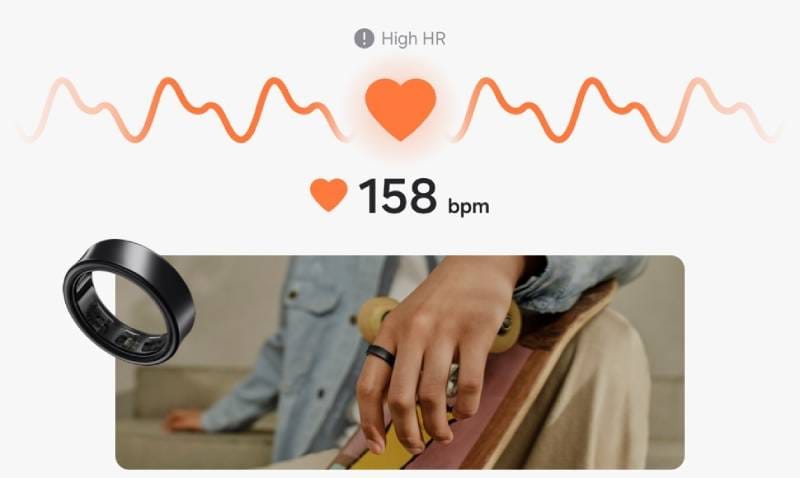
Most rings are not optimized for exercise heart rate tracking – they lack the precision for high-intensity workouts. If you look at your ring’s heart data during a tough gym session, you might find it lagging or spiking erroneously (lots of motion confuses the sensor). For accurate workout metrics like pace or interval heart zones, a chest strap or good sports watch is still the go-to. That said, rings handle light activities fine. They will capture the rise in heart rate from a brisk walk, easy cycling, house chores, etc., and some will even log basic workouts like walks or runs in the app automatically. Just don’t expect detailed exercise analysis – think of rings as measuring your overall cardiovascular strain and recovery, not your split times on a 5K.
Newer models are dabbling in irregular heart rhythm detection, but with caveats. Ultrahuman’s Ring Air, for example, offers an AFib (atrial fibrillation) alert feature at night, and the Circular Ring 2 includes a tiny ECG sensor to let you take a one-lead electrocardiogram for AFib detection[8]. These are impressive feats in such a small device. However, they are not foolproof medical tools. They might flag a potential issue, but they’re nowhere near as definitive as a proper ECG or even the FDA-cleared ECG feature on an Apple Watch. Treat them as early warnings – a signal that says “hey, maybe get this checked out” – rather than a diagnosis. If your ring ever alerts you to something like an irregular rhythm, it’s wise to follow up with a doctor for proper tests.
Safety disclaimer: No smart ring can detect a heart attack or other acute heart problems. If you have serious symptoms (chest pain, strong palpitations, dizziness, etc.), you must seek medical help regardless of what any wearable says. Doctors have noted that some patients have either panicked over false alarms from wearables or, conversely, ignored real symptoms because their device showed “everything’s fine”. Don’t fall into either trap. Use the ring’s heart data as helpful background information – e.g. it can tell you your resting heart rate has been creeping up, or that your heart rate took longer than usual to settle after exercise, which are useful clues. But listen to your body first. If your ring consistently shows an unusual trend (say your resting HR is much higher than normal for a week), consider it a prompt to investigate or talk to a healthcare provider. And if you feel something is off health-wise, trust that feeling and get it checked out, no matter what the ring reads.
Accuracy & Reliability: what affects readings (fit, skin tone, motion, etc.)
A smart ring is packed with advanced sensors, but how accurate are the numbers it gives you? The answer is: quite accurate for many metrics under the right conditions, but there are notable factors that can affect the readings. Understanding these will help you trust the data when it’s solid and recognize when it might be off.
Fit and Placement: Getting the right fit is critical. The ring’s sensors (on the inner surface) need consistent contact with your skin. If the ring is too loose and slides around, you can get erratic heart rate readings or gaps. That’s why brands provide sizing kits – to ensure you choose a size that is snug but comfortable on your index or middle finger. Once you have a proper fit, the ring should maintain good sensor contact even as you move. Our fingers can change size slightly (e.g. colder weather can shrink them, heat can swell them), so wearing the ring on the same finger that was sized and ensuring it’s not too tight or too loose under typical conditions will yield the best accuracy. If you notice weird jumps in your heart data, often it’s a placement issue – make sure the ring’s sensor is aligned on the palm side of your finger and try to keep that area clean (free of lotions or sweat) for best results.
Skin Tone: Earlier wearables had trouble with dark skin (melanin can absorb light from optical sensors). Smart rings may have an advantage: they typically sit on the inner finger, where the skin tends to have less melanin and no pigmentation from sun exposure or tattoos. Recent 2025 reviews and studies suggest rings produce more consistent PPG readings across skin tones compared to many wrist devices, thanks to the finger’s higher capillary density and thinner skin on the palm side. This isn’t to say rings are completely immune to skin tone effects—some variability can still occur, especially during motion—but there haven’t been widespread reports of major accuracy issues tied to skin color in current models. Strong multi-LED sensors and the finger’s natural advantages seem to deliver reliable signal quality for most users.
Motion & Activity: Motion is the nemesis of optical heart rate sensors. Smart rings do well when you’re still or in gentle motion, but if your hands are moving vigorously, the readings can get noisy. For example, during exercises that involve gripping (like weightlifting or rowing) or high-impact moves, a ring’s heart rate data may be off. Also, if you’re doing something like push-ups or yoga where you put pressure on the ring, it can momentarily lose contact. Many ring users simply remove the ring for heavy lifting or manual labor to avoid both discomfort and bad data. The good news is that for most routine activities – typing, walking, doing chores – rings handle it fine. They’re constantly taking measurements and can discard noisy data through filtering. But it’s worth remembering that no wrist or finger optical sensor is 100% accurate during sudden movements; rings are just optimized to reduce those errors (for instance, because they don’t have large muscles around them and the ring maintains steady pressure on the skin).
Temperature & Circulation: External conditions can affect readings too. If your hands are very cold, blood flow in your fingers drops (vasoconstriction), and the ring’s sensor might struggle due to the weaker pulse signal. Some users have noticed that on winter morning runs, their ring showed a lower heart rate than expected – likely because cold fingers were limiting the sensor’s read[13]. This usually resolves once you warm up. On the flip side, after a hot shower or in a warm room, your capillaries expand and sensors may read more strongly. The takeaway is that extreme conditions (cold, or even very low blood pressure scenarios) can introduce small errors, but in normal conditions rings are engineered to be consistent.
Bottom line on accuracy: For things like resting heart rate, HRV, step counts, and detecting sleep vs. wake, smart rings are impressively reliable – comparable in many cases to chest straps or clinical tools for those specific measures. Their weakness is in dynamic high-intensity tracking (where they may lag) and in providing absolute medical-grade precision. But for day-to-day wellness tracking, the data from a properly worn ring is trustworthy. You can maximize reliability by following best practices: wear it on the correct finger, ensure a proper fit, keep the sensors clean, and sync it regularly. And always interpret the numbers with a bit of context – if something looks off, consider if an external factor (like that bumpy car ride or icy morning jog) might have thrown it, and when in doubt, double-check with another device or measurement. Overall, users and studies alike have found that smart rings, despite their tiny size, punch above their weight in accuracy for the key metrics they promise to track.
Real Daily-Life Experience: comfort, sizing, battery, charging, durability, costs
Smart rings are designed for 24/7 wear. They’re generally so comfortable that you forget you have one on, and sizing kits help ensure a snug fit on your finger. Most rings are made of durable titanium or ceramic and are water-resistant (okay for showers and swimming). Battery life typically ranges from 5–12 days depending on the model (for example, many hit 7+ days, with some like RingConn pushing 10–12 days), so you can wear them continuously and just top up briefly every few days to a week (while you shower or get ready, for instance). Because there’s no screen, they’re also quite unobtrusive: no beeps, no notifications. They simply collect data in the background, fitting into your life quietly. If you’re used to taking off a watch for formal events or comfort, a ring changes nothing about your outward appearance – it just looks like any other ring.
Cost and subscriptions: Smart rings are a premium product (usually $200–$400). Unlike many services, most don’t require a subscription – notably, Ōura is the exception with a monthly fee for advanced features. So, factor that in when comparing costs.
Rings vs Watches: Who should choose which (fitness + sleep + adherence)
Smart rings and smartwatches serve different needs. Choose a ring if your priority is seamless health tracking (especially sleep and recovery) and you dislike the bulk or distraction of a smartwatch. Rings are inconspicuous – they won’t buzz with notifications or have a screen tugging at your attention – and they’re more comfortable to wear overnight. They’re perfect if you want to monitor your wellness without changing your style or daily routine. Many people who won’t wear a watch will happily wear a ring. If you mainly care about tracking sleep quality, daily readiness, and getting gentle health insights, a ring is a great fit.
Choose a watch if you need robust fitness and smart features. A smartwatch (or even a basic fitness band) does things a ring can’t: GPS mapping of your runs, real-time pace and distance on a display, detailed workout analysis, on-wrist notifications, music control, etc. A $300 ring will do a lot less than a $300 smartwatch in terms of exercise tracking or on-screen utility. Watches are better for dedicated athletes or those who want their wearable to double as a mini smartphone on the wrist. If you’re the type who loves seeing your heart rate zones during a workout or replying to texts from your wearable, a ring will feel very limiting.
That said, many people use both: a watch for workouts and daily productivity, and a ring for 24/7 health monitoring (especially at night). The two can complement each other, since a ring’s data often integrates with the same health apps your watch might use. But if you’d rather stick to one device, make the choice based on your lifestyle and preferences. In general, rings win on comfort and consistency (you can wear them to sleep easily, and you might forget you’re even wearing one), while watches win on breadth of features and real-time feedback. Neither is “better” universally – it’s about what you want to get out of your wearable. If you value a simple, hidden health tracker, you’ll lean toward a ring; if you need an all-in-one smart companion, you’ll lean toward a watch.
Privacy & Data: what’s collected, what’s sensitive, what to check
Smart rings collect sensitive health data (heart rate, sleep stages, etc.), which is typically stored on the company’s cloud servers. You should review what the company does with that data. Reputable makers like Ōura say they never sell personal data and implement strong security measures. For example, when Ōura’s partnership with a defense-related cloud platform raised privacy fears in 2025, the CEO clarified that no government or third party can access individual user data. Still, it’s wise to use any available privacy settings – opt out of data sharing if possible, and secure your account with a strong password (and two-factor authentication if offered). Remember, you can often download or delete your own data if you choose. If you’re not comfortable with a device uploading your health info, then a smart ring might not be for you – but for most users the benefit outweighs the minimal risk, given the promises companies have made to safeguard data.
Who Smart Rings Are For (and who should skip them)
Smart rings aren’t one-size-fits-all. Based on everything we’ve covered, here’s who will likely love them – and who might want to pass:
Great for:
- Health & wellness enthusiasts: If you’re really into tracking your sleep quality, recovery, and daily wellness metrics, a smart ring is an excellent tool. It provides a constant stream of data and easy-to-understand scores (sleep, readiness, etc.) that can help you fine-tune your lifestyle. Think of it as a personal mini coach that nudges you toward better habits (earlier bedtimes, more recovery when needed, etc.).
- Those who hate wrist wearables: Maybe you’ve tried a smartwatch and found it annoying, uncomfortable, or too flashy. If you don’t like the feeling of something on your wrist or you find yourself taking watches off, a ring is a much subtler alternative. It basically looks like normal jewelry. It doesn’t light up or make noise, so it won’t draw attention. This makes it ideal for people who want the benefits of a health tracker without advertising “I’m wearing tech.”
- Sleep strugglers & stress managers: If improving your sleep is a main goal, or if you’re trying to manage stress and recovery (say you’re training for an event or have a high-pressure job), a ring’s detailed night-time and HRV data will be immensely helpful. It can validate when you’ve had a poor recovery night and suggest taking it easy. Over time, you might find that it helps you discover patterns – like you don’t handle late workouts well, or you need an extra hour of sleep to keep your stress in check.
- Consistency seekers: Do you tend to forget to wear your fitness tracker or leave it charging? Smart rings are so low-maintenance that you’ll likely end up wearing them more consistently than other gadgets. You can even wear them 24/7 (they’re comfortable enough and battery life allows it). This makes the data far more useful, because you’re capturing everything – not missing three days a week because you forgot your device. If other wearables ended up in a drawer for you, a ring might have better sticking power.
- People with skin or comfort issues from watches: Some folks get skin irritation from watch bands or just can’t stand the feeling, especially during sleep. A ring avoids those issues entirely (you wear it on a finger and most of the ring’s surface isn’t even touching skin). It’s also small and light enough that it generally won’t bother you, even if you’re very sensitive to wearing things.
Who should skip:
- Hardcore athletes needing detailed workout stats: If your life revolves around training metrics – splits, cadence, VO₂ max, mapping your cycling routes – a smart ring alone will disappoint you. Rings currently don’t provide advanced workout analytics or real-time performance feedback. You’d be better served by a Garmin, Apple Watch, or similar sports watch (and perhaps use a ring as a secondary recovery tool). But the ring won’t replace your dedicated fitness tracker for serious training data.
- Techies who want on-wrist apps & notifications: Do you love that your smartwatch shows your messages, controls your music, or navigates you via map? A ring does none of that. If you’ve gotten used to the convenience of smartphone features on your wrist, going to a ring will feel like a step backward in connectivity. A ring is intentionally “dumb” on the outside – all the smarts are in the app – so skip it if you expect your wearable to be an extension of your phone.
- Those on a tight budget: Smart rings are generally more expensive than basic fitness bands, and remember that Ōura, for example, has a monthly subscription on top. If you just want a simple step counter and sleep tracker and don’t care about in-depth accuracy, a $50 band might do the trick. Paying several hundred dollars for a ring (and possibly ongoing fees) is only worth it if you’ll utilize the advanced health tracking it offers.
- Anyone unlikely to wear it consistently: Be honest with yourself – if you hate wearing rings (some people never do, whether for work or comfort reasons), then a smart ring is not magically going to change that. Or if you’re the type who might lose it because it’s so small and you have to take it off to charge occasionally, that’s a consideration. The ring only helps if you actually wear it most of the time. For example, some jobs (like certain manufacturing roles) prohibit rings for safety; in that case a watch might be the only wearable allowed. Consider your personal habits and environment.
- People expecting medical-grade diagnostics: If you’re thinking a smart ring will actively alert you to health dangers with clinical accuracy, you might be setting the bar too high. Rings are great wellness monitors, but they are not FDA-approved to diagnose disease. They might hint at an issue (like “possible irregular heart rhythm” or “your temperature is higher than usual”), but they won’t tell you “you have condition X.” Those who have serious medical concerns should view a ring as a supportive tool, not a medical device.
In summary, smart rings are best for people who want to focus on the big picture of their health habits – improving sleep, managing stress, tracking general fitness trends – in a seamless, unobtrusive way. If that’s you, you’ll likely find a smart ring extremely rewarding. On the other hand, if you need all the bells and whistles of interactive tech or you’re not going to wear it regularly, it’s probably not worth the investment.
Final Verdict: are smart rings worth it in 2025–2026?
Smart rings have come a long way and truly arrived as a compelling wearable option by 2025–2026. So, are they worth it? For many people, yes – with the right expectations. If you value discreet, always-on health monitoring and you’re particularly keen to optimize things like sleep and stress, a smart ring can be a game-changer. It provides a flow of data that was previously hard to capture consistently, and it does so in a form factor that you’ll actually use. The insights you gain (when used wisely) can lead to tangible improvements – better sleep hygiene, noticing when you need to recover, perhaps catching that you’re getting sick before it fully hits, or simply confirming that the lifestyle changes you made are paying off in better vitals.
Importantly, the user experience of smart rings is now polished enough for mainstream adoption. Early concerns like short battery life, clunky designs, or limited features have been largely addressed in recent models. Today’s top rings are sleek, lightweight, comfortable for all-day wear, and reasonably durable. They offer robust companion apps with actionable feedback, not just raw numbers. The fact that major companies like Samsung jumped in confirms that the category is viable and here to stay – it’s not a gimmick. And with ongoing research and development (like new sensors and more AI-driven insights on the horizon), smart rings are likely to get even more capable in the near future.
That said, whether it’s “worth it” comes down to you: what do you hope to gain, and will you use it consistently? If you’re just casually curious about your health and wouldn’t bother looking at the data, then a smart ring might be overkill – a cheaper device or app might scratch that itch. But if you’re motivated to improve your well-being, a ring can provide the daily feedback loop that helps keep you on track. It’s like having a gentle coach that reminds you, “Hey, prioritize sleep” or “Take it easy, your body is strained,” which in our busy lives can be incredibly valuable.
One should also consider the cost-value equation. Premium models typically run $300–$500 (with some value options under $300), plus a subscription for full features on certain brands like Ōura. It’s an investment. For the value it provides – essentially 24/7 health monitoring – many find it justified. Compare it to other health expenses: a single session with a professional or a high-end fitness device could cost as much. A ring gives you continuous data every day for years. If you use that data to make even a few positive changes (sleep more, stress less, exercise smarter), the payoff in quality of life can be significant. On the flip side, if the cost would cause financial strain or you’re not sure you’d stick with it, that could outweigh the benefits; no wellness gadget should break the bank if you have more pressing needs.
As of 2026, smart rings are worth it for people who embrace the concept of proactive wellness. They’re not magic oracles – they won’t directly change your habits for you. But they will illuminate the effects of your choices in a very immediate way. And often, that’s the nudge needed to make better choices. Users often report that just knowing they’re being tracked helps them be more mindful of their behavior: you go to bed earlier because you want a good sleep score, or you manage your workload because you see your readings indicating stress. In that sense, the ring’s value is as much behavioral as it is technological.
Final thought: The rise of smart rings marks an exciting shift in wearables – towards devices that merge more seamlessly with our lives. They demonstrate that health tech doesn’t need to be flashy or intrusive to be effective. In 2025 and beyond, these unassuming rings are proving their worth by helping people sleep better, stress less, and tune into their bodies more deeply. In a world where information is power, having a continuous feed of insights about your own health is a powerful thing – as long as you use it to take positive action. So, yes, smart rings are worth it for those who will make the most of that knowledge. And as they continue to evolve, they just might become as common as wrist wearables are today, quietly upgrading many people’s approach to personal health.
Thank you for reading!
By ChoiceWise