Budget Flagship Phones (UK 2026) – Premium Power Under £600 Without Compromise
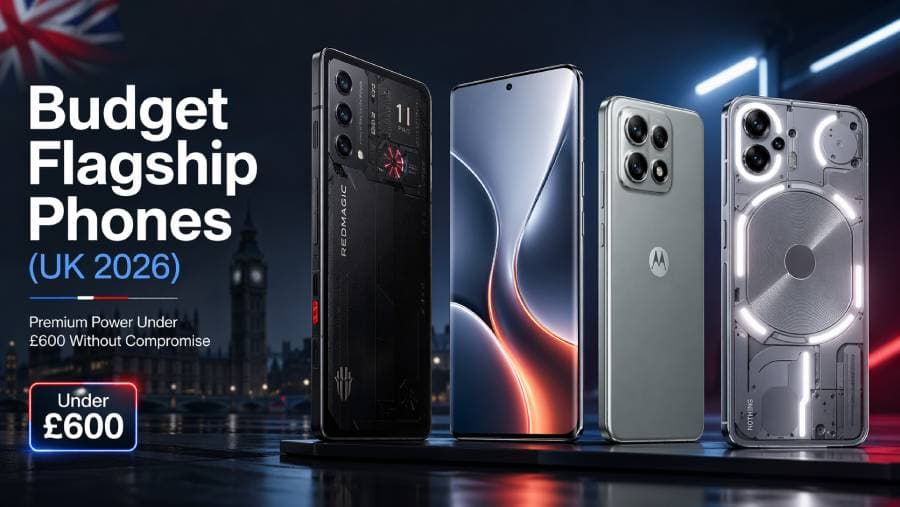
Reviewed for performance, value & premium features – updated 2026
🥇 RedMagic 11 Pro — Best overall budget flagship performance → Check price on Amazon UK
🥈 Motorola Edge 70 — Best premium flagship for budget flagship → Check price on Amazon UK
🥉 Nothing Phone (3) — Best value phone with premium power → Check price on Amazon UK
👉 Scroll down to see full reviews and Amazon UK links
Introduction
This guide is for UK buyers who want true flagship-level performance and features without the £1,000+ price tag. In 2026, “budget flagship” means getting a top-tier processor, premium build and display, and long battery life for well under £600. Thanks to fierce competition and new chip releases, you no longer have to pay iPhone- or Galaxy-price money to get buttery performance. We selected phones that pair uncompromised speed and smoothness with high-end materials (metal/glass chassis, high-refresh OLED screens), all while keeping the price point sub-£600. Each pick has been rigorously reviewed by experts for real-world speed, gaming and multitasking, battery endurance and charging, camera results, and long-term software support. Our goal is practical advice: the RedMagic 11 Pro is here for raw speed, the Edge 70 brings a luxurious slim feel, and the Nothing Phone (3) offers a unique design with solid all-round specs. All are official UK models available new on Amazon.co.uk.
What Makes a Great Budget Flagship Phone in 2026
- Flagship performance: Modern Qualcomm chipsets (e.g. Snapdragon 8 series) that rival today’s flagships. Even mid-$500 phones now use 3nm flagship CPUs. This means smooth gaming, fast app launches and future-proof speed for years.
- Premium build quality: Metal or glass construction and thoughtful design. Look for metal frames, Gorilla Glass (or equivalents) and, ideally, water/dust resistance. For example, the Edge 70 uses aircraft-grade aluminium and meets MIL-STD/IP68 standards for extra durability. A sturdy build feels high-end in the hand.
- High-quality display: Sharp OLED panels with high refresh rates (at least 120Hz) and great brightness. Budget flagships typically feature 6.6–6.8″ FHD+ AMOLED screens with 120–144Hz refresh rates[1]. This delivers smooth scrolling and gaming. For daylight visibility, peak brightness around 1000–4500 nits (as on the Nothing Phone 3) ensures legibility outdoors.
- Long battery life & fast charging: Large battery packs (often 4,500–7,500 mAh) and fast wired charging are must-haves. Gaming-centric phones like the RedMagic 11 Pro pack 7,500 mAh batteries, lasting over 20 hours in continuous use tests, and support very fast charging (e.g. 80W wired, 80W wireless) for quick top-ups. Even slim flagships like the Edge 70 include sizeable batteries (~4,800 mAh) with 68W charging.
- Modern software & updates: Latest Android versions (Android 15/16 in 2026) with OEM skins. Good budget flagships promise several years of OS and security updates. For example, Nothing promises 5 years of Android upgrades and 7 years of security patches. A clean, well-supported UI (like Nothing OS 4 or Motorola’s MyUX) helps the phone feel fast and stay secure.
- Solid camera flexibility: Triple or quad-camera arrays that cover wide, ultrawide and zoom. Camera quality may not match ultra-expensive flagships, but flagship chipsets help image processing. Expect 50MP main sensors with OIS plus ultrawide (and often tele or macro). For instance, the Nothing Phone (3) uses three 50MP rear cameras (wide, ultra, 3× telemacro) that take very good daylight shots[2]. Budget flagships usually do fine in good light and have niche modes (night, macro), though low-light and zoom may lag behind $1,000 phones.
- Value-for-money: Every penny counts. These phones trim non-essentials (no super-flagship zoom or ceramic finish) but keep core features. You’ll get stereo speakers, 5G, and often extras like wireless charging or gaming modes at a midrange price. The trick is balancing what matters: top-end chips, big battery, and high-end screen quality are priorities, while minor camera or finish concessions keep the price down.
1. RedMagic 11 Pro – Best overall budget flagship performance
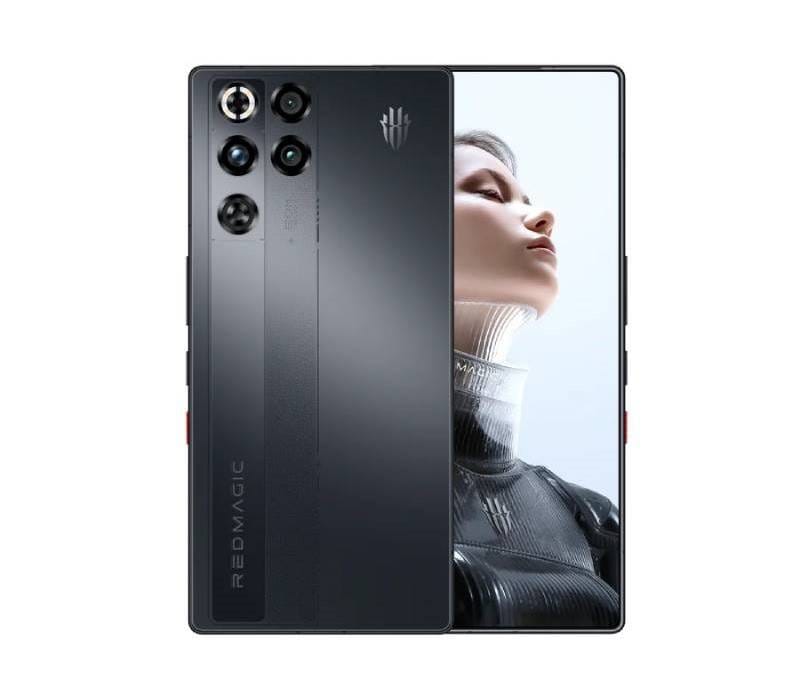
The RedMagic 11 Pro is a gaming beast at midrange cost. It runs on Qualcomm’s top-end Snapdragon 8 Elite Gen 5 chipset and up to 24GB of RAM, so day-to-day performance is lightning fast. In benchmarks it rivals 2025 flagships (Geekbench multicore ~6800+). You’ll feel no lag in apps or games – even intensive titles run buttery smooth thanks to the advanced chipset and the phone’s active cooling (vapor chamber + turbo fan). A helper “RedCore” chip optimizes touch, refresh rates and lower latency specifically for gaming[3].
Gaming and multitasking are its forte. The 6.85″ flat AMOLED screen (2688×1216, 144Hz) is large, vivid and very fast. You’ll appreciate the silky gameplay and scrolling. The phone’s long (7,500 mAh) battery means marathon sessions — in fact a lab test lasted almost 22 hours at 144Hz. And even if you do run low, it supports 80W wired and wireless charging to refill quickly. We love that it even offers wireless charging (80W) and a big charger in the box – rare in gaming phones.
On the software side it runs RedMagic OS 11 (on Android 16). The UI is gaming-focused (Game Space overlay with shoulder-button mapping, refresh rate controls, etc.), but it isn’t as polished as stock Android. The launcher and menus are now more consistent than past RedMagics, but still a bit rough around the edges. Also note RedMagic promises 5 years of updates in the UK/EU, though only 3 years elsewhere[4].
Cameras: The RedMagic 11 Pro has dual 50MP rear cameras (main wide with OIS and ultrawide) and a 2MP macro; a 16MP under-display selfie sits under the screen. Image quality is serviceable but not a highlight. Daytime shots are okay, but low-light and zoom are average – typical for a game-first phone. Don’t buy this for photography, but for everything else it’s top-tier.
✅ Why this pick:
It packs flagship power (top Snapdragon, massive RAM) and incredible endurance into a <£600 package, making it our fastest and most capable pick. It targets hard-core gamers and power users who want uncompromised speed and cooling.
Pros:
- Top-tier Snapdragon 8 Elite Gen 5 chip with 144Hz AMOLED screen – lightning fast for gaming and multitasking.
- Enormous 7500 mAh battery with 80W wired & wireless charging – multi-day endurance and quick top-ups.
- Built-in liquid cooling + turbo fan for sustained performance, plus stereo speakers & headphone jack (with high-quality DAC).
Cons: Cameras are just average; night photos and low-light lack detail.
Main standout feature: World’s first liquid cooling on a mass-market phone, paired with 3nm flagship SoC – an extreme combination that keeps performance high under load.
Who it’s best for: Mobile gamers and power users who demand the fastest CPU/GPU and huge battery life under £600. If you want top-tier speed in gaming or productivity, this is it.
Amazon UK Check: 👉 The RedMagic 11 Pro is available for about £599 (12GB/256GB), a steal for this hardware. → Check price on Amazon UK
2. Motorola Edge 70 – Best premium flagship for budget flagship

The Motorola Edge 70 brings a surprisingly slim, high-end feel to this price segment. At only 5.99 mm thick and 159 g, it’s built with an aircraft-grade aluminium frame and has Pantone-validated colour finishes. Despite its thin body, it’s very robust – Motorola even rates it to MIL-STD-810H drop standards and IP68/69 dust-water resistance[5]. This makes it feel far more premium than typical mid-rangers, reminiscent of more expensive “thin” models.
The display is a highlight: a 6.67″ OLED panel at 2712×1220 resolution, 120Hz refresh, with vivid colours and deep blacks. Reviewers praise its “fantastic display” quality. It’s bright and clear for movies, games or browsing, and the 120Hz sweep ensures smooth animations. The Edge 70 also includes stereo Dolby Atmos speakers and USB-C audio (no headphone jack), matching top-tier media experiences.
Under the hood is a mid-range Snapdragon 7 Gen 4 chipset with 12GB RAM and up to 512GB storage. This can handle daily apps, moderate gaming and multitasking without trouble – it’s more powerful than its predecessor Edge 60 in benchmarks. However, it’s not on the flagship level of the RedMagic or Nothing’s Snapdragon 8 series. Expect smooth everyday use and even 3D games on medium settings, but some cutting-edge titles may not run at max graphics smoothly. One reviewer noted “mid-range performance for price” as a compromise.
Battery life is very good for such a slim phone. The 4800 mAh battery (with Motorola’s “silicon carbon” tech) easily lasts a full day of heavy use. 68W wired TurboPower charging means you can refill it very fast (from 0–100% in about 40 minutes in tests). It even supports 15W wireless charging if you need it (though slim glass phone with wireless pad is a bit slower). Overall, T3 notes “great battery life” among its positives.
Cameras on the Edge 70 are decent but not class-leading. The phone packs three 50MP sensors: wide (f/1.8), ultrawide (f/2.0) and a 50MP selfie (f/2.0). There’s no dedicated telephoto lens – Motorola removed that for the slim design. The result is competent everyday shots: daylight photos are sharp and colourful, but low-light or zoom shots aren’t as strong as a flagship. In short, it does the job, but you won’t beat a true high-end camera set. Reviewers pointed out this camera compromise, and the software has some extra Moto bloat.
In software, the Edge 70 runs Android 16 with Motorola’s MyUX skin. It includes some Moto AI features (like “Watertouch” gestures in rain, and camera filters), but also several pre-installed apps you might not use. Motorola promises around 3 years of Android updates (standard for the brand). It feels mostly smooth for daily use, though its interface has minor annoyances.
✅ Why this pick:
The Edge 70 is the most refined-feeling phone here. It looks and feels expensive (ultra-thin aluminium build, sharp 120Hz OLED), yet costs well below true premium models. It offers good all-around performance, very good battery life, and the standout slim design. If you want flagship style (slim profile, Pantone colours, military-grade protection) in a sub-£600 phone, this is it.
Pros:
- Stunning 6.7″ OLED display with 120Hz refresh – one of the best screens you’ll get at this price.
- Ultra-slim (6 mm) metal-and-glass body with IP68/69 and military-grade durability.
- Large 4800 mAh battery with 68W TurboPower charging – lasts all day and tops up fast.
Cons: Uses a mid-range Snapdragon 7 Gen 4 – still fast, but not on par with true flagship CPUs. Also some software bloat and no telephoto camera.
Main standout feature: Its ultra-thin design and premium build. A metal frame at just 6 mm thin (with included case to “normal” thickness) is rare; this design wins attention and feels high-end.
Who it’s best for: Buyers who value style and display quality. This is for people who want a slim, attractive phone with flagship-like screen and battery life, but can accept a slightly lower-tier chipset to hit the price.
Amazon UK Check: 👉 The Edge 70 (12GB/512GB) is currently around £529 on Amazon UK. → Check price on Amazon UK
3. Nothing Phone (3) – Best value phone with premium power
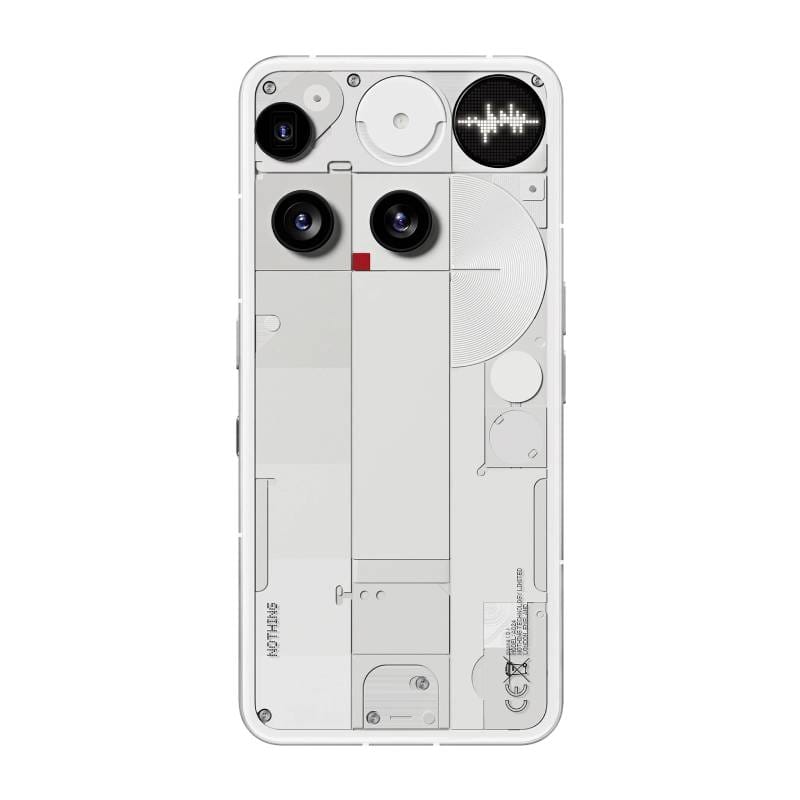
The Nothing Phone (3) lives up to its name by offering a distinctive design with very capable specs. Its clear paneled back and new “Glyph Matrix” LED system make it instantly recognizable. But inside it’s also very modern: powered by Qualcomm’s Snapdragon 8s Gen 4 (an 8 Gen3-equivalent) and up to 16GB RAM, it handles everything smoothly[6]. In use the Phone (3) feels fast and snappy – animations and app loads are quick. For real-world performance, it easily matches many 2025 flagships; Geekbench scores (~6800 multicore) are in “the realm of the giants”[7]. Nothing OS 4 (on Android 16 now) is mostly clean and unique-looking.
Where the Nothing Phone (3) really shines is user experience. Reviewers rave about the quirky Glyph Matrix: a full backlight panel that can show patterns, notifications or even simple games. It’s both a fun gimmick and occasionally handy (for example, showing charging status via LEDs without waking the screen). The hardware build is solid: Gorilla Glass Victus front, Gorilla Glass 7i back, IP68 dust/water resistance. It’s chunkier (9mm, 218g) than the Edge 70, but that also means a big 5,150 mAh battery. In everyday use the Phone 3 easily lasts until bedtime (Pete Matheson consistently had battery to spare at day’s end). It offers very fast 65W wired charging (0–50% in ~20 min), and even wireless charging (though not MagSafe).
Camera-wise, Nothing stepped up too: triple 50MP rear cams (wide, ultra, 3× telemacro) and a 50MP selfie. In practice it’s a “solid everyday shooter”[8]. Daylight shots are crisp and vibrant; video can reach 4K60 on main and ultrawide. The telephoto is also a macro, which can get you very close shots, though beyond ~3× it becomes low quality. There’s AI-powered zoom up to 60× advertised, but results past 5× are very soft. In short, the Phone (3) won’t beat ultra-flagships like an S25 Ultra on camera detail, but it delivers more than you’d expect in its price class.
In software, Nothing OS 4 is clean and minimalist, but may feel quirky. Some reviewers note the monochrome icon style and occasional bugs (e.g. with search or wallet apps) – it’s very “fun and experimental” but not as polished as OnePlus or Samsung UI. However, Nothing promises 5 years of major Android updates and 7 years of security patches, which is outstanding longevity at this tier.
✅ Why this pick:
The Nothing Phone 3 has premium DNA (flagship chipset, multi-lens 50MP cameras, top-notch display) packed into a sub-£600 package, plus a wildly unique design. It delivers “all-day” battery life and plenty of software upgrades, and its Glyph LED graphics are a conversation starter. For sheer bang-for-buck with character and big power, it’s unmatched.
Pros:
- High-end Snapdragon 8s Gen 4 chip and generous RAM (12–16GB) – flagship-level speed.
- One of the brightest 6.7″ 120Hz AMOLED screens (4500-nit peak) and solid stereo speakers.
- Distinctive transparent design with Glyph Matrix LEDs and 7-year update promise. Battery easily lasts all day.
Cons: Thicker/heavier build (9mm, 218g) and can feel bulky. Software still has some bugs and isn’t as slick as major brands.
Main standout feature: The Glyph Matrix LED interface on the back – it’s unique and adds fun functionality (e.g. charging progress or custom light patterns). Coupled with the bright screen and powerful chipset, it really stands out from boring black slabs.
Who it’s best for: Anyone who wants flagship specs on a budget and a phone that feels different. Ideal if you value a top-notch OS updates roadmap, strong gaming/camera chops, and that “wow” design factor.
Amazon UK Check: 👉 The Nothing Phone (3) 12/256GB is selling for around £470–£500 on Amazon UK (often on sale), making it a uniquely affordable premium phone. → Check price on Amazon UK.
Check our website for more details about Nothing Phone (3).
Comparison Table
| FEATURE | RedMagic 11 Pro | Motorola Edge 70 | Nothing Phone (3) |
|---|---|---|---|
| Chipset | Snapdragon 8 Elite Gen 5 (flagship 8s Gen4) | Snapdragon 7 Gen 4 (mid-range) | Snapdragon 8s Gen 4 (near-flagship) |
| Display | 6.85″ FHD+ (2688×1216) AMOLED, 144Hz, ~1800 nits peak | 6.67″ FHD+ (2712×1220) OLED, 120Hz | 6.67″ 2K (2800×1260) AMOLED, 120Hz, 4500 nit peak |
| Battery & Charging | 7500 mAh, 80W wired + 80W wireless | 4800 mAh, 68W wired + 15W wireless | 5150 mAh, 65W wired + 15W wireless |
| Build Quality | Aluminum frame, built-in liquid cooling (no official IP68) | Ultra-thin 6 mm aluminium, IP68/69 dust-water proof | Glass front/back (Gorilla Victus), IP68 waterproof |
| Camera Setup | 50MP f/1.9 main w/OIS + 50MP ultrawide + 2MP macro; 16MP under-display front | 50MP f/1.8 main + 50MP ultrawide; 50MP selfie (no telephoto) | 50MP wide + 50MP ultrawide + 50MP 3× telemacro (OIS); 50MP selfie |
| Software | RedMagic OS 11 (Android 16), gaming UI; ~5 years updates (EU) | Android 16 with Motorola MyUX (Moto AI features) | Nothing OS 4.0 (Android 15/16), 5 yrs Android + 7 yrs security |
| Typical UK Price | ~£599 (12/256GB) | ~£529 (12/512GB, deals) | ~£600 (12/256GB) when on sale |
| Best For | Heavy gamers and power users wanting flagship specs at midrange price | Users wanting a premium feel – ultra-slim design and great display | Those who want flagship-class power and cameras in a unique design |
🥇 RedMagic 11 Pro — Check price on Amazon UK
🥈 Motorola Edge 70 — Check price on Amazon UK
🥉 Nothing Phone (3) — Check price on Amazon UK
What to Consider Before Buying
Before choosing, weigh up your priorities.
- Performance vs Price: The RedMagic 11 Pro offers the outright fastest SoC, but it’s a gaming-centric phone with a specific design. If you mainly browse and take photos, the RedMagic’s extra speed is overkill – the Nothing (8s Gen4) and Edge 70 (7 Gen4) chips will still feel very fast for daily use. On the other hand, gamers or heavy multitaskers will appreciate every bit of the RedMagic’s extra horsepower.
- Gaming vs Camera priorities: All three handle games smoothly, but if photography is important, note their differences. The Edge 70 drops a telephoto for thinness, so it’s less versatile in zoom shots. The RedMagic has decent wide/ultrawide cameras but is optimized for gaming, not photography, so it won’t match a true camera-flagship in low light. The Nothing Phone (3) balances well – its triple 50MP array is quite capable (especially in good light) and it also has an innovative “Essential Key” camera button for quick screenshots. Decide whether you need heavy graphics muscle, multiple camera modes, or a middle ground.
- Software support and extras: Update longevity varies. Nothing promises 5 Android OS upgrades (plus 7 yrs of security), which is among the best here. The RedMagic and Motorola typically offer around 3–5 years (the RedMagic specifically offers 5 years of updates in UK/EU). Think about whether a clean Android experience matters: the Nothing OS is quirky but lean, Motorola’s MyUX is close to stock with a few extra apps, and RedMagic’s skin is heavy on gaming features.
- Build vs Cost: The Edge 70 feels the priciest – it’s ultra-thin with a metal frame and MIL-STD protection, which you might pay more for otherwise. The Nothing Phone 3 also feels premium with glass and IP68 and has the cool factor of its design. The RedMagic is sturdy but more plasticky, and it lacks any official waterproof rating – something to consider if you need durability. If durability or design refinement is key, the Edge or Nothing win; if raw specs and endurance matter most, the RedMagic delivers.
- Can a budget flagship replace a £1,000 flagship? Nearly. These phones can match or exceed the day-to-day performance of many expensive flagships, especially in speed and battery life. However, they still make compromises: top-tier cameras (especially telephoto/zoom) and ultra-polished software can be slightly behind the very best in class. That said, for under £600 you get most of the important features (5G, OLED 120Hz screen, decent cameras) and outstanding value. If you need absolute flagship cameras or design (e.g. IP69, ceramic build), a true flagship might be better, but for general flagship-level snappiness and features, these budget flagships are compelling alternatives.
Frequently Asked Questions
Q1: What is a “budget flagship” phone? It’s a phone that offers many core features of a high-end flagship (powerful chipset, premium screen, good cameras and build) but at a significantly lower price. In 2026, budget flagships typically cost under £600 but use recent “flagship” processors and include extras like high-refresh OLED screens and fast charging, sacrificing only some non-essential perks.
Q2: Can a phone under £600 really feel premium? Yes. Phones like the Edge 70 and Nothing 3 use metal/glass and high-end displays that feel luxurious. For example, the Edge 70 has a 6 mm aluminium frame with military-grade protection, and the Nothing Phone 3 has premium glass and IP68 sealing. When handled, they’re comparable to more expensive models. The RedMagic 11 Pro is less polished in design but still solid – its gaming-focused aluminum shell and RGB accents do give a unique premium vibe for gamers. Overall, build quality and finish on these phones match mid-tier flagships, even if the price is lower.
Q3: Which phone offers the best performance under £600? The RedMagic 11 Pro. Its Snapdragon 8 Elite Gen 5 (8s Gen4) chip is the most powerful in this list, outperforming the mid-range chip in the Edge 70 and even the high-end 8s Gen4 in the Nothing. In practical terms, the RedMagic handles gaming and heavy multitasking faster than the others. However, the Nothing Phone 3 is a very close second: its performance is on par with many $1,000 flagships, and for most tasks you’d barely notice the difference.
Q4: Are budget flagships good for gaming? Absolutely. Budget flagships typically use very recent high-end processors designed for gaming. The RedMagic 11 Pro was built as a gaming phone – it even has a fan and liquid cooling – so gaming is exceptional on it. The Nothing Phone 3’s Snapdragon 8s Gen4 chip also makes it a very capable gaming phone (with top-end frame rates). Even the Edge 70, with its Snapdragon 7 Gen4, can run most games well on medium settings. In all cases, these phones will play graphics-intensive titles much better than a typical £300 budget phone, making them great picks for mobile gaming on a budget.
Final Verdict
- RedMagic 11 Pro is the fastest and longest-lasting handset here. It wins in raw performance and battery life, making it the best pick for serious gamers and power users on a budget. Its only downside is a somewhat rough software experience and average camera. → Check price on Amazon UK
- Motorola Edge 70 is the most refined-feeling phone of the three. Its ultra-slim aluminium build and stunning 120Hz OLED screen feel very premium. It’s best for users who want flagship styling and great display/battery without needing the absolute top-end chipset. → Check price on Amazon UK
- Nothing Phone (3) is the most unique choice. It delivers near-flagship speed, excellent all-day battery, and a standout transparent design with Glyph LEDs. It’s ideal for buyers who want flagship specs and cameras under £600 and a phone that looks and feels different from the crowd. → Check price on Amazon UK
We update our comparisons regularly to keep everything accurate, up to date, and UK-focused.
If raw gaming performance, camera-and-display balance, or Nothing's design language is what's pulling you between these three, the AI Wizard can help you land on the best-value pick for your budget.
By ChoiceWise